Winning Well: What Koshien, Sumo, and a Small-Town Mochi Contest Taught Me About First Place
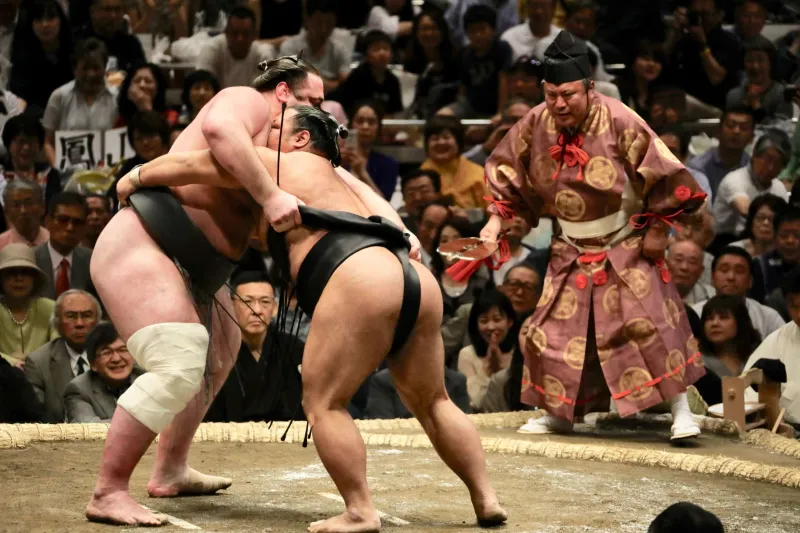
Photo: sumo wrestlers bowing respect ring Japan, via boutiquejapan.com
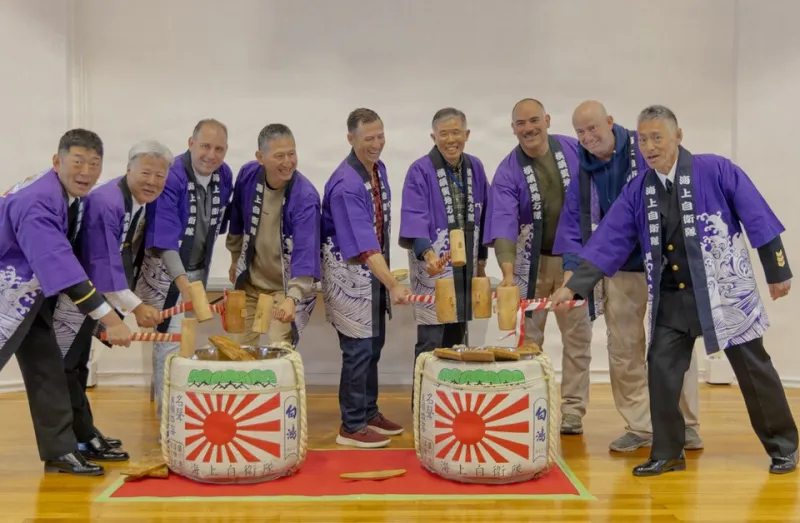
The first time I watched a mochi-pounding contest at a Japanese festival in the U.S., I expected chaos. What I got was choreography. Two teams, four mallets, one wooden bowl, and a crowd that went quiet at the start and exploded at the finish. The winning team did not hit harder than everyone else. They hit together. They moved as one unit. When the judge raised their ribbon, they bowed to the other team first, then to the crowd, then to each other.
That moment stuck with me. It was a small contest at a local matsuri, but it carried the same grammar I had seen in bigger Japanese competitions. Koshien, the national high school baseball tournament, is famous for the dirt that players carry home from the field. Sumo is famous for its rituals of respect. Both are high-stakes stages. Both teach the same lesson: winning well is a skill, and it is learned long before the final score.
The Koshien Lesson: Bow First, Then Celebrate
Koshien is not just a baseball tournament. It is a summer ritual in Japan, a national stage for teenagers who have practiced for years. The games are tense. The crowds are enormous. The losing teams often fall to the dirt and cry. The winning teams celebrate, but they also bow. They remove their caps. They thank the field, the fans, and their opponents.
For American fans, that can look almost formal. But it is not stiffness. It is gratitude. The players know they did not get there alone. Their teammates, coaches, families, and schools carried them. The bow is a way of saying that out loud. It is also a reminder that the other team did the same work and deserves the same respect.
When I watch Koshien, I think about how easy it is to reduce competition to a scoreboard. We love winners in the U.S. We love the highlight reel. But the Koshien model suggests that the highlight is not only the winning hit. It is the handshake afterward. It is the coach who comforts a player who made an error. It is the crowd that cheers for both teams.
Sumo's Quiet Standard
Sumo is a different kind of competition. It is fast, powerful, and deeply ritualized. Before the match, the wrestlers face each other. They clap their hands. They throw salt. They enter the ring with intention. The actual bout may last seconds. The preparation is the point.
That preparation is not just physical. It is mental and communal. Sumo stables are built on hierarchy and mutual care. Younger wrestlers learn from older ones. Everyone participates in the daily work. When a wrestler wins, the victory belongs to the stable as much as the individual. When a wrestler loses, the stable absorbs the disappointment.
I am not arguing that every local festival contest needs a salt toss and a referee in traditional dress. But I am arguing that sumo shows us something useful about first place. The trophy is a result. The standard is the process. Did you prepare? Did you respect your opponent? Did you represent your community well? Those questions matter more than the ribbon.
The Mochi Relay That Changed My Mind
Back to that mochi relay. Our team lost. We were not smooth. We were enthusiastic, but we were not synchronized. The winning team had matching hachimaki and a captain who called the count. They also had a grandmother in the front row who had clearly been coaching them for weeks. When they won, she cried. So did they.
What struck me was how the loss felt. It did not feel like failure. It felt like practice. We had entered together. We had tried something hard in public. We had learned from the team beside us. After the contest, one of the winners came over and showed us how to adjust our grip. That is the part of competition culture I want more of in the U.S. Not softer competition. Better competition. The kind where people want you to improve.
What U.S. Matsuri Contests Get Right
Local Japanese festivals in the U.S. are not trying to recreate Koshien or sumo. They are smaller, looser, and often delightfully chaotic. But many of them get the fundamentals right. They make competition accessible. They celebrate effort. They put children and elders on the same stage. They ask winners to thank the crowd. They treat the first-place moment as a community event, not a private triumph.
That is a useful corrective to the way we often talk about winning in America. We tend to focus on the individual story: the underdog, the clutch performance, the trophy lift. Those stories are great. But they are incomplete. Behind every first-place finish is a team, a family, a coach, a volunteer, and a community that made the contest possible. The matsuri model remembers that.
The Ittousai Idea
The name Ittousai nods to the first-place prize, but the culture around it is not only about coming in first. It is about what you do with the win. Do you share it? Do you thank the people who helped you? Do you make room for the next competitor? Do you come back next year and help someone else improve?
That is the kind of first place worth chasing. Not the kind that makes you smaller. The kind that makes the whole room bigger. Koshien players bow to the field. Sumo wrestlers honor the ring. Mochi relay champions show the losing team their grip. Different stages, same idea. Winning well is a team sport.
So yes, sign up for the contest. Practice your timing. Bring your team. Wear the matching hachimaki. But remember the bow. Remember the handshake. Remember the grandmother in the front row. First place is sweeter when everyone around you can feel it too.