Bring Your Game Face: Seven U.S. Matsuri Where You Can Chase a First-Place Finish
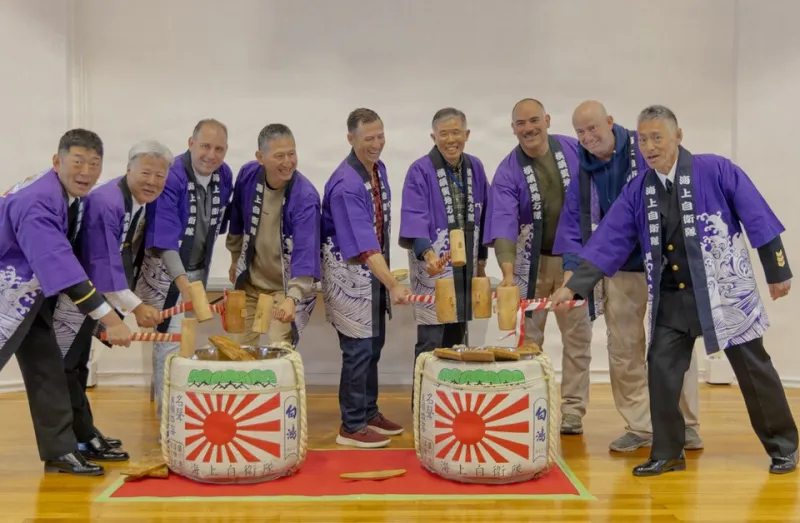
Photo: U.S. Navy photo by Sheryl Sullivan, Public domain, via Wikimedia Commons
There is a particular kind of joy in walking into a Japanese festival as a spectator and then realizing the sign-up sheet is right there. You came for the food and the taiko drums. You leave with a bracket number, a new friend, and maybe a medal. Across the U.S., matsuri and Japan-themed cultural events are making room for attendees who want to do more than watch. The competitions are friendly, but make no mistake: people come to win.
Here are seven festival scenes where you can actually compete, plus practical notes on how to enter, what judges tend to reward, and why past champions keep coming back.
1. Japan Fest Atlanta: Cosplay and Karaoke Double Threat
Atlanta's Japan Fest has grown into a full weekend of food, vendors, and stage programming, and its cosplay and karaoke contests are a big reason why. Sign-ups often open online a few weeks before the event, and the slots go quickly. Judges usually weigh stage presence, craftsmanship, and a clean finish. Past winners say the small stuff matters: how you walk on, how you hold the mic, how you thank the crowd. One regular competitor told me she rehearses her entrance more than her song. That is the energy.
2. Houston Japan Festival: The Mochi-Pounding Relay
Mochi pounding is usually a demonstration. In Houston, it can turn into a relay. Teams rotate through the usu and kine, trying to keep a rhythm while the clock runs. Judges watch for safety, synchronized swings, and whether the finished mochi looks smooth rather than lumpy. Sign up early; these slots fill fast. Championship teams often bring matching hachimaki and a captain who calls the count. The crowd gets loud, the rice gets sticky, and nobody leaves without a story.
3. Seattle Cherry Blossom and Japanese Cultural Festival: Haiku and Dance
Seattle's festival gives quieter competitors a lane. The haiku slam rewards fresh images and a strong final line. The dance showcase looks for storytelling and group cohesion. Entry forms usually appear on the festival site in early spring. Judges say they can tell when a piece was written the night before. The winners tend to be the ones who practiced in a living room, not just on a stage. It is a warm, family-heavy crowd, which makes the first-place moment feel like a neighborhood toast.
4. San Francisco Cherry Blossom Festival: Cosplay Spotlight
Cosplay is the main event for many attendees in San Francisco, but the competition is serious. Walk-on presentations, prop checks, and a short interview are part of the score. Judges weigh character accuracy, construction, and how well the cosplayer embodies the role. Past champions recommend a backup plan for every snap and pin. They also say the interview can make or break a tie. Know your character, know your build, and know why you chose it. The parade may get the headlines, but the cosplay stage gets the gasps.
5. Nisei Week in Los Angeles: Karaoke and Street Dance
Nisei Week brings out neighborhood regulars and ringers alike. The karaoke bracket is friendly but competitive; song choice matters as much as pitch. Street dance teams are judged on synchronization, musicality, and audience reaction. Sign-ups often happen at community centers before the festival weekend, so ask early if you want in. The best moments are not always the perfect performances. They are the teams that clearly practiced together for weeks and still look surprised when their name is called.
6. Washington, D.C. Sakura Matsuri: Culture Quiz and Mochi Demo
D.C.'s Sakura Matsuri turns culture into a contest with quiz rounds and mochi-making challenges. Quiz categories often cover history, language, and pop culture. Mochi judges look for teamwork and clean technique. It is a great entry point for first-timers because the stakes are low and the cheering is loud. You do not need to be an expert to sign up. You need to be curious, quick on the buzzer, and willing to laugh at yourself.
7. Honolulu Japanese Festivals: Bon Dance and Lantern Contests
Honolulu's Japanese festival calendar is deep, and several events include costume and lantern-decorating competitions. Judges look for handmade details, a clear theme, and how the entry fits the festival's spirit. Sign-up tables are often near the stage, so ask early. The competitions here feel especially rooted in community. Families enter together. Grandparents coach. The first-place ribbon is nice, but the real prize is the group photo afterward.
How to Enter Without the Panic
Start with the festival's official website or social accounts, not a random flyer. Look for words like contest, competition, sign-up, or entry form. Many events open registration four to six weeks out. Read the rules twice. Check age limits, costume rules, prop restrictions, and whether you need to bring your own music. Arrive early on competition day. A calm check-in is worth more than one extra rehearsal.
What Judges Actually Reward
Judges are not mysterious. They are usually looking for preparation, clarity, and respect. In performance contests, that means stage presence and a clean finish. In craft contests, it means construction and attention to detail. In team contests, it means synchronization and safety. In culture contests, it means knowledge and enthusiasm. The winners are rarely the flashiest people in the room. They are the ones who make the competition look easy because they did the work before anyone was watching.
Why the First-Place Table Matters
A first-place finish at a U.S. matsuri is not just a trophy. It is a small, public thank-you to the teachers, family members, and community groups that keep these traditions alive. That is why the crowd cheers so hard. They are not only celebrating a winner. They are celebrating the fact that the festival gave someone a chance to try.
So bring your game face. Bring your team. Bring a backup hairpin. The sign-up sheet is waiting.