Your December 2026 Japan-in-America Holiday Calendar: Markets, Mochi, and First-Place Moments
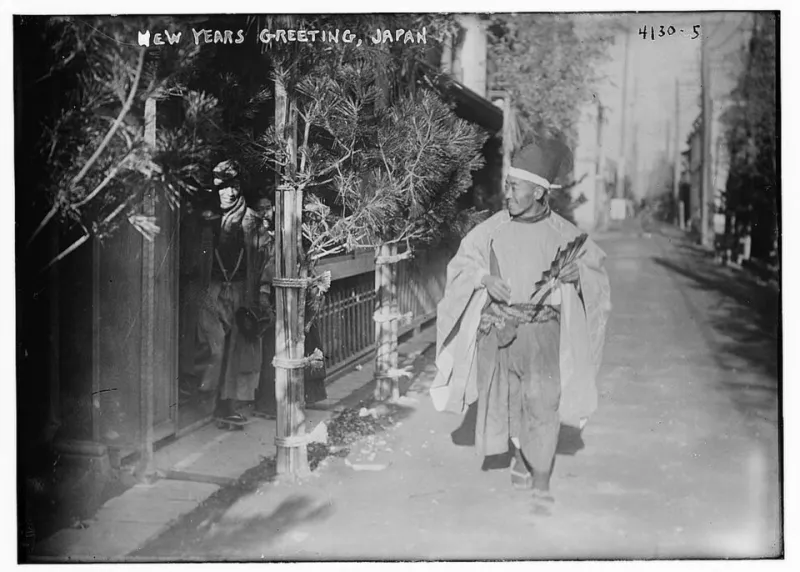
Photo: The Library of Congress, Public domain, via Wikimedia Commons
The 2026 holiday season is already filling up with Japan-inspired events across the U.S., and this year's calendar has a clear theme: make it participatory. Shogatsu markets are stocking lucky charms and New Year's foods. Community centers are scheduling mochi-pounding ceremonies. Winter illumination displays are turning friendly competition into a neighborhood tradition. And year-end contests are giving local winners one more reason to celebrate.
As of Nov. 21, 2026, here is a fan's look at the moments worth circling. Dates vary by city, so check each organizer's 2026 schedule before you make plans. The through-line is simple: these traditions resonate because they invite Americans to do something, not just buy something.
The Shogatsu Market Wave
Shogatsu, the Japanese New Year, is a season of preparation and gratitude. In the U.S., that translates into pop-up markets selling decorative mochi, kadomatsu-inspired arrangements, lucky daruma, and boxed osechi-style foods. Cities with strong Japanese American communities, including Los Angeles, Honolulu, Seattle, Chicago, and New York, usually host the deepest selections. The best markets feel like neighborhood reunions. You run into a friend from Japanese language class. Someone gives you advice on which daruma to buy. A vendor explains why a certain decoration belongs on the door.
This year, look for markets that pair shopping with demonstrations. A calligraphy booth. A tea tasting. A short lecture on New Year's traditions. Those extras turn a quick errand into an afternoon. They also give families a way to talk about culture without making it feel like a history lesson.
Mochi-Pounding Ceremonies and Contests
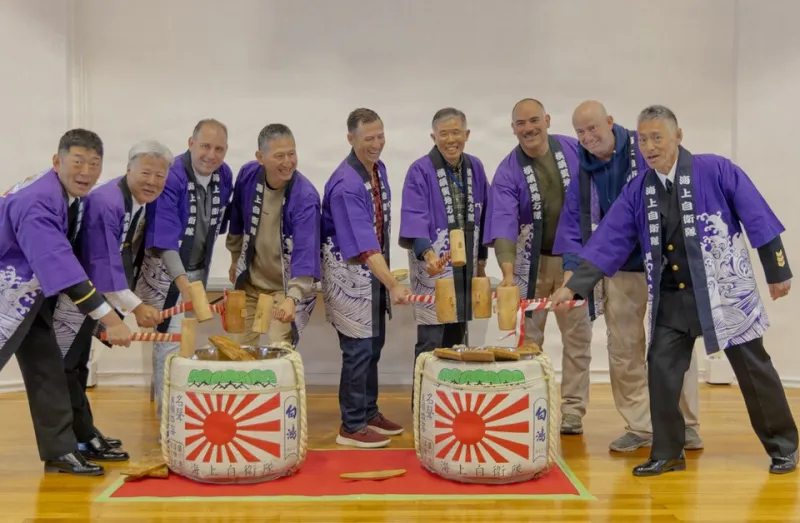
Mochitsuki, the traditional mochi-pounding ceremony, is one of the most tactile ways to welcome the New Year. In 2026, expect community centers, temples, and cultural organizations to host public poundings throughout December. Some are pure demonstration. Others include relays or team challenges where participants can sign up and compete for a first-place ribbon.
The appeal is obvious. You can hear the wooden mallets hit the usu. You can smell the rice. You can taste the fresh mochi while it is still warm. For American audiences, it is a rare chance to participate in a tradition that rewards rhythm and teamwork more than raw strength. Judges at contest-style events tend to look for safety, synchronized swings, and a smooth final product. If you are entering, practice your timing. If you are watching, stand back and cheer loudly.
Illumination Contests and Winter Lights
Winter illumination is a Japanese holiday tradition that has translated beautifully to American cities and gardens. This season, botanical gardens, Japantowns, and cultural centers are expected to host light displays with a competitive twist. Some run photo contests. Others invite neighborhood groups to decorate lanterns or small trees. A few turn the whole display into a people's choice award.
These events are especially good for families and casual fans. You do not need to know the rules of a martial art or the lyrics to a song. You just need to walk, look, and vote. The first-place celebrations are often sweet and low-key: a certificate, a small prize, a photo with the winning display. That is part of the charm. The competition is real, but the mood is generous.
First-Place Award Celebrations
December is also when many local contests wrap up. Karaoke leagues crown their champions. Cosplay groups announce year-end favorites. Community organizations hand out awards for volunteer service, cultural programming, and youth leadership. These celebrations matter because they close the loop. A whole season of practice and preparation gets a public moment.
The best award ceremonies mix humility with joy. Winners thank their teams. Organizers thank the volunteers. The audience cheers for everyone who made it to the final. In a holiday season that can feel commercial, that kind of gathering feels refreshingly human.
Why These Traditions Land in the U.S.
Japanese holiday traditions work in America because they are adaptable without being empty. A Shogatsu market can be a shopping stop or a cultural classroom. A mochi-pounding ceremony can be a demonstration or a team contest. A winter illumination can be a quiet walk or a neighborhood competition. The format bends, but the values stay recognizable: gratitude, preparation, community, and a fresh start.
There is also something deeply American about turning a tradition into a friendly contest. We love brackets. We love ribbons. We love a reason to cheer for the person who practiced. The Japanese festival calendar gives us all of that, plus a reminder that the new year is not just a date on a calendar. It is an invitation to begin again.
A Fan's Calendar to Watch
In New York, look for Shogatsu markets and cultural demonstrations in late November and December. In Los Angeles and Honolulu, community centers and temples often host mochi-pounding events and New Year's food sales. Seattle and Chicago tend to mix illumination displays with craft workshops. Houston and Atlanta usually fold holiday programming into broader Japan festival calendars. Washington, D.C. and San Francisco are good bets for family-friendly cultural events with photo contests and stage demos.
Check each organizer's 2026 listings for exact dates. Bring cash for small vendors. Bring a reusable bag. Bring patience for lines. Most of all, bring a willingness to join in. The holiday season is better when you are not just watching the first-place moment. It is better when you are part of the crowd that makes it happen.